Why Meadow Flowers Often Grow at Different Heights
Why meadow flowers grow at different heights depends on plant form and local conditions. Learn what shapes the contrast and how to interpret it.
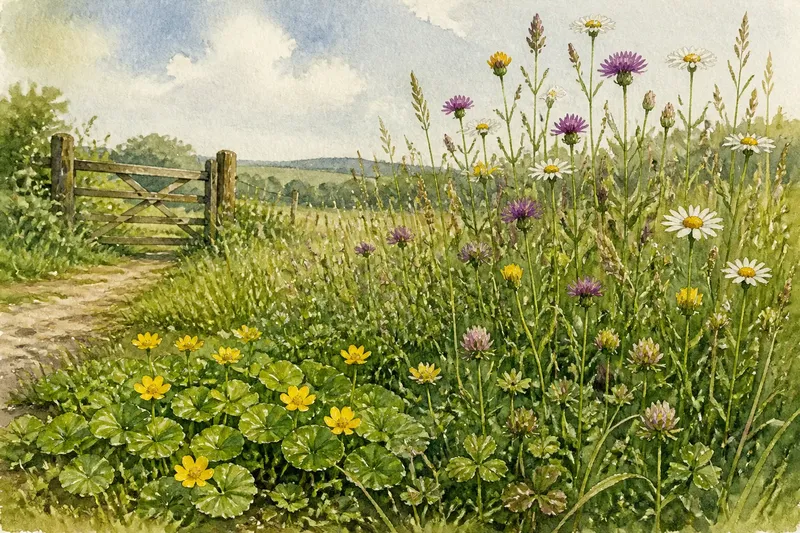
At the edge of a meadow, a buttercup’s leaves can hug the ground while a nearby flower holds its head above the surrounding growth. Why meadow flowers grow at different heights comes down to a mix of plant form, competition for light, and the conditions in each patch—not a simple contest in which the tallest stem wins.
How do plant shapes create different heights?
Some meadow plants spread leaves close to the soil; others grow upright stems or send flowers above their foliage. A plant may even combine forms, with low leaves and a raised flower stalk. These shapes let different species occupy overlapping spaces rather than forming one uniform surface.
Stem structure matters. A firm stem can hold a flower upright, while a slender one may lean or weave through neighboring plants. The flower’s position, the leaves along the stem, and the plant’s overall form all help explain the height you see.
How does light affect a plant’s height?
Plants need light, but they respond in different ways. Upright growth can lift leaves or blooms above nearby foliage; spreading leaves can make use of open ground. Gaps in a meadow may let light reach low-growing plants even where taller stems are nearby.
Height alone does not tell you how much light a plant receives. A tall stem can still be shaded by surrounding growth, while a shorter plant may sit in a bright opening. Look at the foliage and the spaces around it rather than judging from the flower head alone.
What can make the same plant grow taller or shorter?
Species is only part of the explanation. Soil, moisture, available light, grazing, mowing, and the timing of growth can influence a plant’s form. Conditions can differ across a meadow, so plants of the same kind may not look equally tall in every patch.
A single glance rarely reveals the cause. Short growth might reflect local conditions or past grazing or cutting, but observation alone may not distinguish among them. A later visit can show whether the pattern persists as plants grow, flower, or fade.
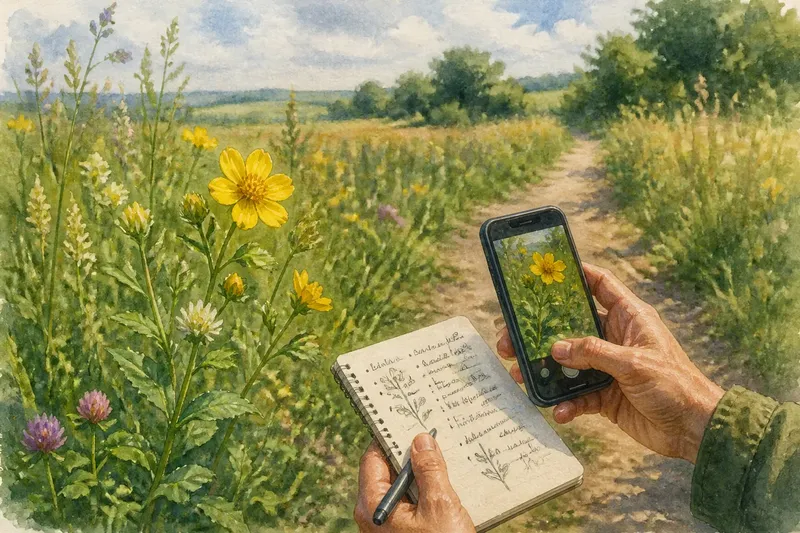
Say you notice a low-growing patch beside taller flowering stems. You jot down the contrast from the path and return later in the season; some low plants now have raised flower stalks, while the taller stems have begun to fade. The change suggests that your first view captured one stage of growth, not a fixed height ranking.
What do common questions about meadow flower height mean?
Does the tallest plant always get the most light?
No. A tall stem may rise above nearby leaves, but other growth can still shade it, and light can reach shorter plants through gaps. Height is one clue, not a complete account of light conditions.
Can short plants grow beneath taller flowers?
They can occupy lower spaces where conditions suit them and light reaches the foliage. The presence of taller plants alone does not tell you whether a shorter plant is thriving.
Why might a flower look shorter later in the season?
Its stem may lean, its blooms may fade, or surrounding plants may change the way it stands out. Note the plant’s growth stage and compare views from a similar position before deciding that its height has changed.
How can you observe meadow plants without disturbing them?
Stay on established paths and look from the edge rather than stepping into the vegetation or moving stems. A notebook or camera can help you record what you see without handling the plants.
How can you interpret a patch without guessing?
Use a few observations to guide what you conclude. For each item, check the stated feature; if the observation fits the first condition, follow that decision, and if it does not, use the alternative.
- Compare plant forms: Check whether nearby plants have upright stems, spreading leaves, or both. If forms differ, describe the patch as a mix of growth habits; otherwise, look for differences in local conditions before attributing the height contrast to shape.
- Look for light gaps: Check whether open spaces reach the lower foliage. If they do, note that shorter plants may have access to light there; if not, avoid assuming that height alone explains their position.
- Inspect stem support visually: Check whether a stem stands firm or leans among neighboring growth. If it leans, record its position rather than treating the flower head as its natural standing height; if it stands upright, continue considering plant form and surroundings.
- Notice growth stages: Check whether flowers are budding, open, or fading. If stages differ, compare plants at a later visit before drawing a lasting conclusion; if they match, describe the height contrast as it appears now.
- Look for signs of recent cutting or grazing: Check for uniformly shortened growth or visible cut stems without entering the patch. If such signs are present, note them as possible context; if they are absent or unclear, leave the cause open.
- Compare nearby conditions: Check whether the contrasting patch appears wetter, more open, or more shaded from your path. If a difference is visible, record it as a possible influence; if not, avoid assigning a cause you cannot observe.
How should you record what you see?
Keep notes tied to a specific place and moment. Write a location you can recognize, such as the meadow edge beside a gate, and describe the plant forms and growth stages in plain language. A note like “spreading leaves below several upright flowering stems” is more useful than a guess about why the plants grew that way.
Imagine you are recording a patch beside a gate path. You note low leaves, a few upright stems, and no obvious cut ends; on a later visit, you see more flowers at the upper level. The resulting record supports a comparison between visits, but it does not establish what caused the difference. Keeping that distinction clear makes notes about why meadow flowers grow at different heights more reliable.
When a cause is uncertain, record the visible evidence and leave the explanation open. That way, your notes can still help you recognize how plant form, light, and local conditions combine in a meadow, without turning one passing view into a firm claim.